
Over 147,000 Waterborne Disease Cases Linked to Nairobi Floods as World Resources Institute (WRI) Calls for Long-Term Solutions
More than 147,000 cases of waterborne diseases were reported in Nairobi following devastating floods in 2024, highlighting the growing public health risks posed by the city's recurring flooding crisis, according to new research by the World Resources Institute (WRI).
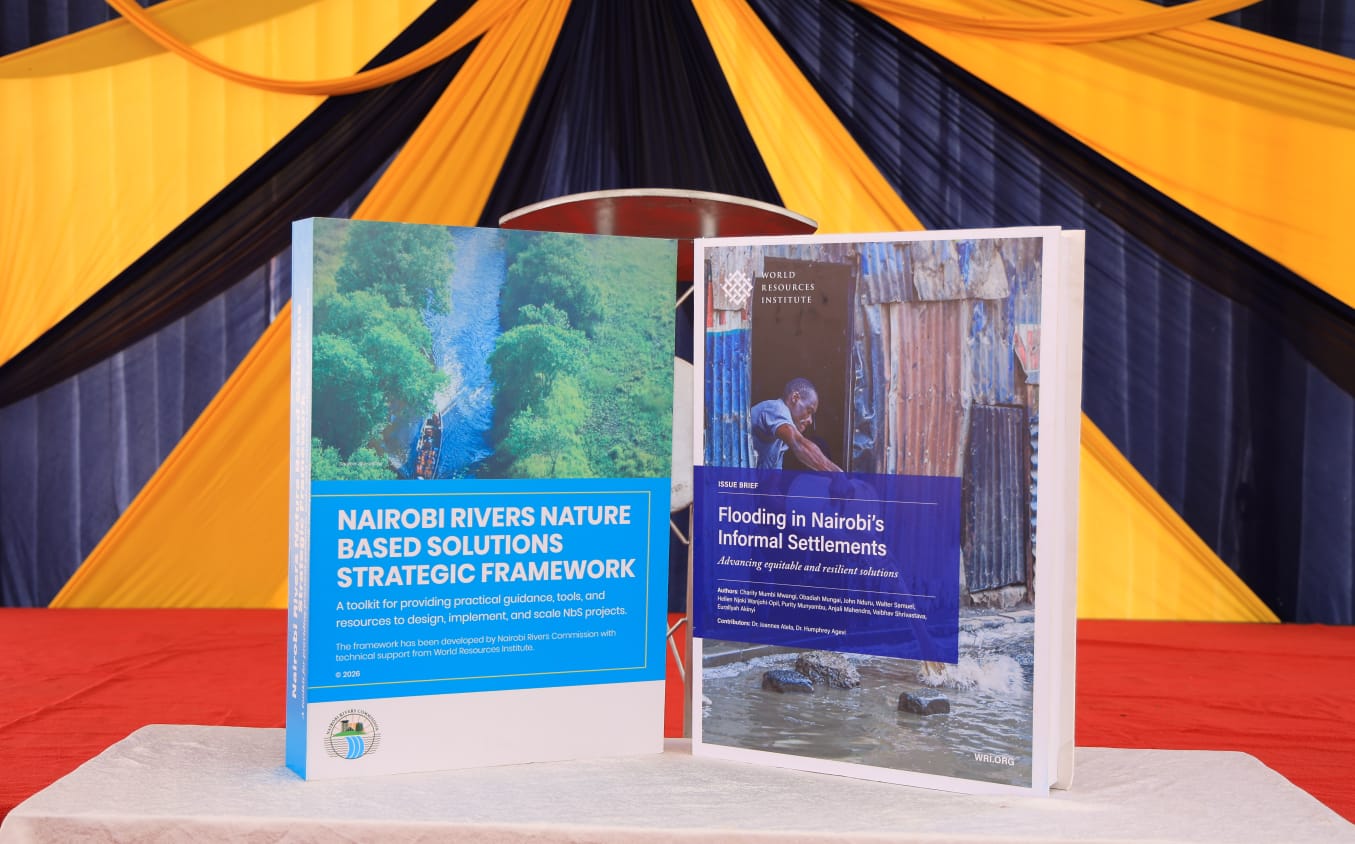
The findings, released on Thursday in a new issue brief titled “Flooding in Nairobi's Informal Settlements: Advancing Equitable and Resilient Solutions”, reveal that flooding in the capital is driven by more than heavy rainfall. The report cites poor drainage systems, unplanned development in flood-prone areas, destruction of wetlands, weak land-use enforcement, fragmented governance and limited investment in climate resilience as key contributors.

The research draws on flood modelling, mapping and surveys involving 98 households in Kibera, Mukuru Viwandani and Mathare as residents reported losing livelihoods and personal belongings while pointing to gaps in early warning systems, disaster preparedness and community participation in flood risk management.
The report also notes that women, children, older persons and persons with disabilities bear the greatest burden during floods because they face additional challenges accessing information, evacuation support and recovery assistance. It argues that flooding should no longer be viewed solely as an environmental issue but also as a major housing, public health and urban resilience challenge.
Nairobi Rivers Commission Chairperson Bishop Margaret Wanjiru through her representative John Kioli said restoring Nairobi's rivers requires coordinated action rather than isolated projects. She said the newly launched Nairobi Rivers Nature-based Solutions Strategic Framework provides a roadmap for reducing flood risks, improving public health and restoring river ecosystems.

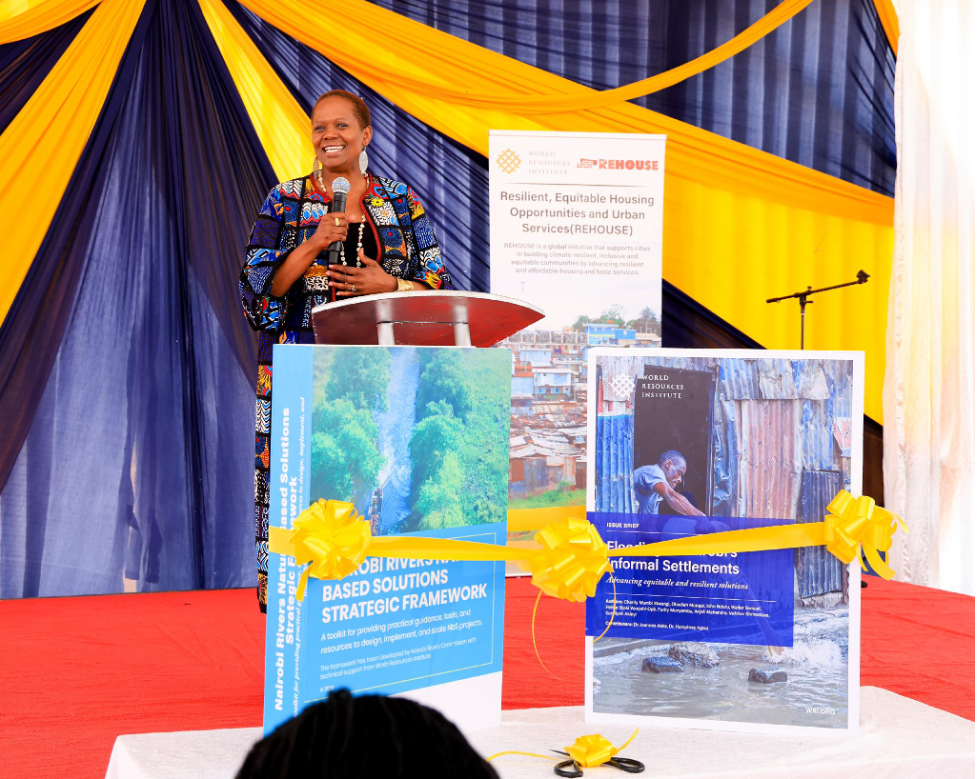
The launch also saw WRI sign Memoranda of Understanding with the Nairobi City County Government and the Kenya Forestry Research Institute to strengthen collaboration on climate action, research, nature-based solutions and restoration efforts aimed at reducing future flood risks.
Comments